

From Seed to Sip: Why Coffee Supply Chains Deserve a Second Look
Coffee is often experienced at its simplest moment.
A cup on a café counter. A familiar routine. A few minutes of calm before the day begins.
What remains largely invisible is everything that happens before that cup exists. Specialty coffee is not just a beverage. It is the result of a long seed to sip journey shaped by agriculture, logistics, craftsmanship, and changing customer expectations.
Most problems in coffee are not quality problems, but coordination problems.
Understanding this journey does not complicate coffee for the sake of it. It helps explain why quality, consistency, and transparency are harder to achieve than they appear.
Coffee Begins as a Slow System
Coffee is agricultural before it is anything else.
Coffee trees take years to mature. Each harvest reflects decisions made long in advance around soil health, altitude, shade, rainfall, and plant variety. Once the season begins, there is little room to adjust.
Harvest itself is manual and precise. Ripe cherries are hand-picked, often in several passes, because timing directly affects quality. Once picked, cherries must be processed quickly. Washed, natural, honey, or anaerobic methods are not trends. They are technical choices that shape flavor, stability, and risk.
At this stage, coffee moves at the pace of nature. Slowly. Seasonally. With limited flexibility.
From Processing to Global Movement
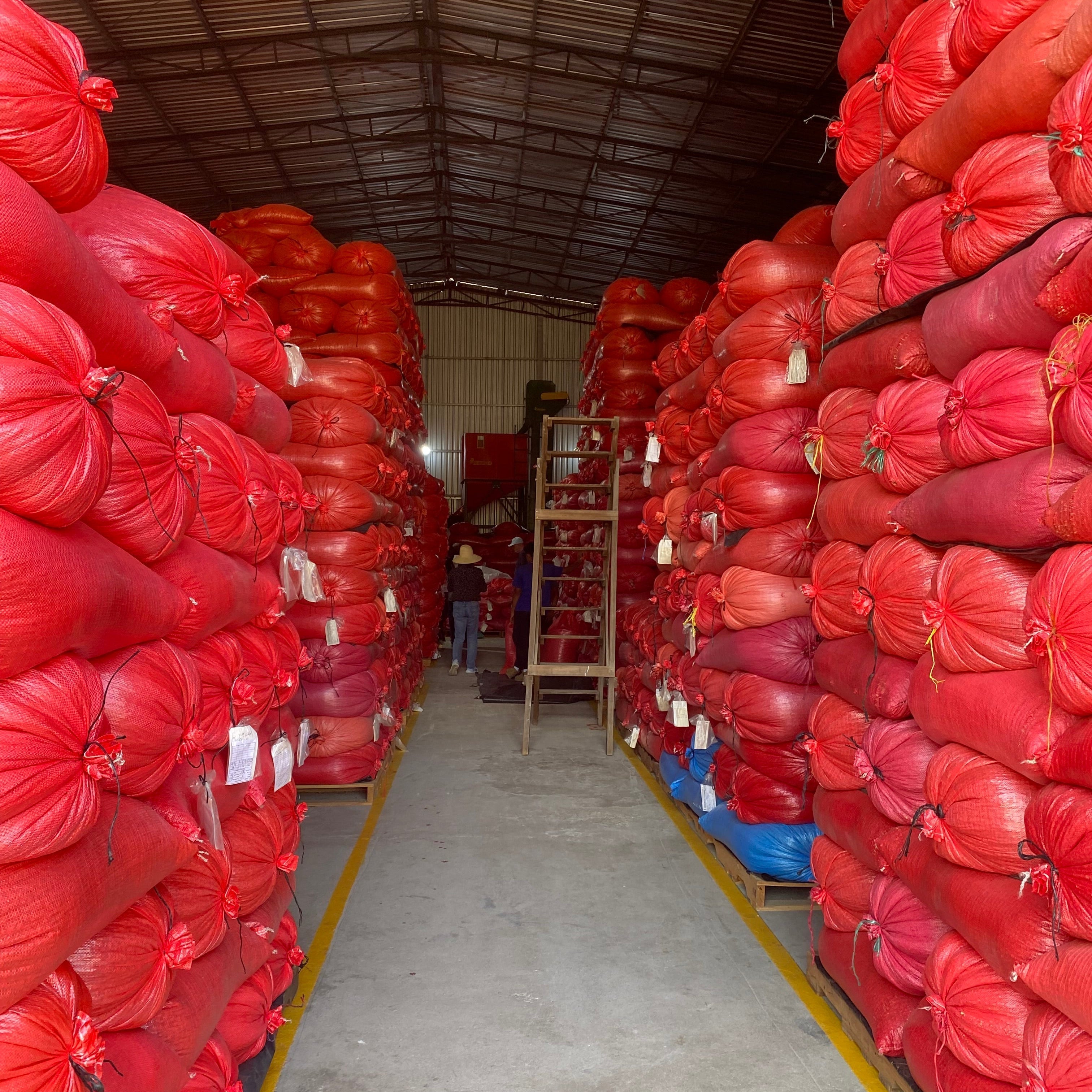
After drying and milling, coffees are sorted, evaluated, and cupped. Lots are separated based on quality and profile. Only then does the logistical journey begin.
Export documentation, shipping schedules, customs clearance, warehousing, and storage conditions all influence how coffee arrives at destination. Time, temperature, and humidity matter as much as paperwork and planning.
Coffee is still an agricultural product, but it is now moving through a global supply chain connecting producers, exporters, importers, and logistics partners. Each handover adds distance, complexity, and the risk of information getting lost.
Where Complexity Accelerates: Roasting and Demand
Once green coffee reaches a roastery, complexity does not disappear. It accelerates.
Each coffee must be roasted with a clear purpose. Roast profiles are developed to express the coffee’s character while responding to how it will be brewed. Espresso, filter, café service, or home brewing all require different approaches.
At the same time, market expectations move quickly. Consumers expect freshness, clarity, traceability, and consistency. Trends shift faster than agricultural cycles ever could. A coffee harvested once a year must respond to preferences that can change several times within that same year.
A coffee can be perfectly grown and carefully processed, and still fail at the café because the system around it was not aligned.
Roasters and cafés operate at the intersection of slow production and fast demand. Balancing origin reality with customer expectations has become one of the defining challenges of specialty coffee today.
Why Coffee Supply Chains Need Rethinking
Because of these dynamics, coffee supply chains are under constant pressure.
Climate instability affects harvest volumes and timing. Prices fluctuate independently of quality. Producers often carry risk long before coffee is sold. Logistics disruptions add uncertainty. As coffee moves through many hands, information and responsibility become fragmented.
Pressure also comes from the market. Consumers expect more transparency and consistency, while cafés and roasters are asked to adapt quickly to changing tastes, formats, and expectations.
The core challenge is structural. Coffee grows slowly, but demand moves fast. Agricultural reality and market dynamics operate on different timelines, yet they are tightly connected.
Looking at coffee through a seed to sip perspective helps make this visible. It does not simplify the system, but it reveals how farming, processing, logistics, roasting, service, and demand continuously influence one another.
Rethinking coffee supply chains is not about replacing one model with another. It is about engaging with the system more consciously and more coherently.
A Different Way of Engaging With the Supply Chain
At ROS Specialty Coffee, working from our own family farms in northern Nicaragua gives us proximity to origin, but the real shift is not geographic. It is how we engage with the supply chain as a whole.
Seeing coffee through a seed to sip perspective changes where attention goes. Decisions are no longer isolated to individual steps, but understood in relation to everything that comes before and after. Farming, processing, export, roasting, and service are treated as connected parts of one system.
This approach does not eliminate complexity. Coffee remains seasonal, unpredictable, and deeply human. But it allows decisions to be made with clearer context, better feedback, and greater responsibility for how each step affects the next.
Over time, this way of working creates the conditions for quality to be sustained rather than optimized in isolation.
Why This Matters for Coffee Drinkers in Spain
Spain’s specialty coffee scene, especially in cities like Madrid, is growing quickly. Cafés are improving, consumers are more curious, and expectations are higher than ever.
Understanding how coffee moves from seed to sip adds depth to the experience. Coffee stops being just good or bad and starts making sense.
Seeing coffee as a journey does not make it more complicated. It makes responsibility visible.
Martin Buhl
Founder, ROS Specialty Coffee
Read more
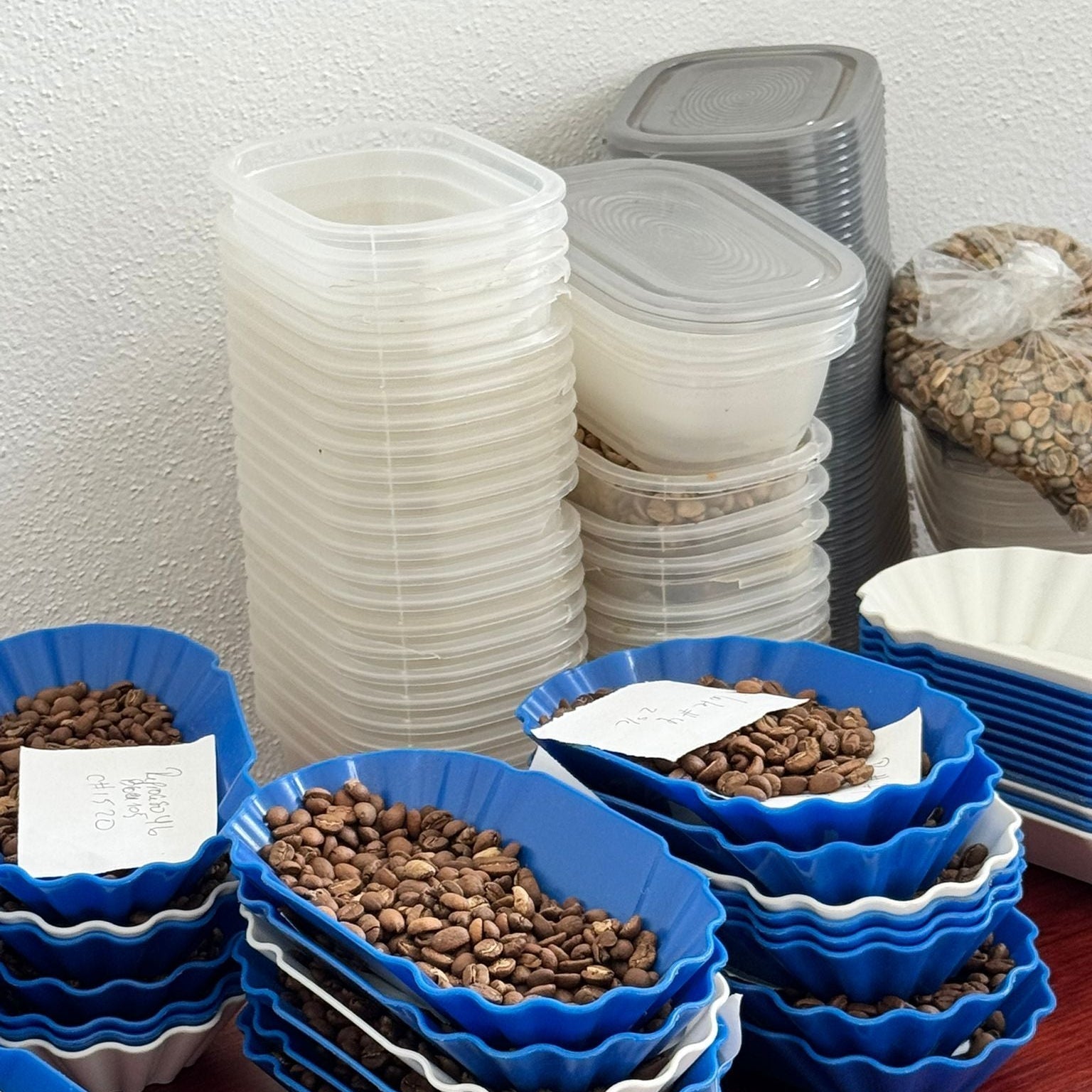
What defines specialty coffee? Learn how coffee is graded, why scores matter, where they fall short, and how value in coffee is evolving beyond numbers.
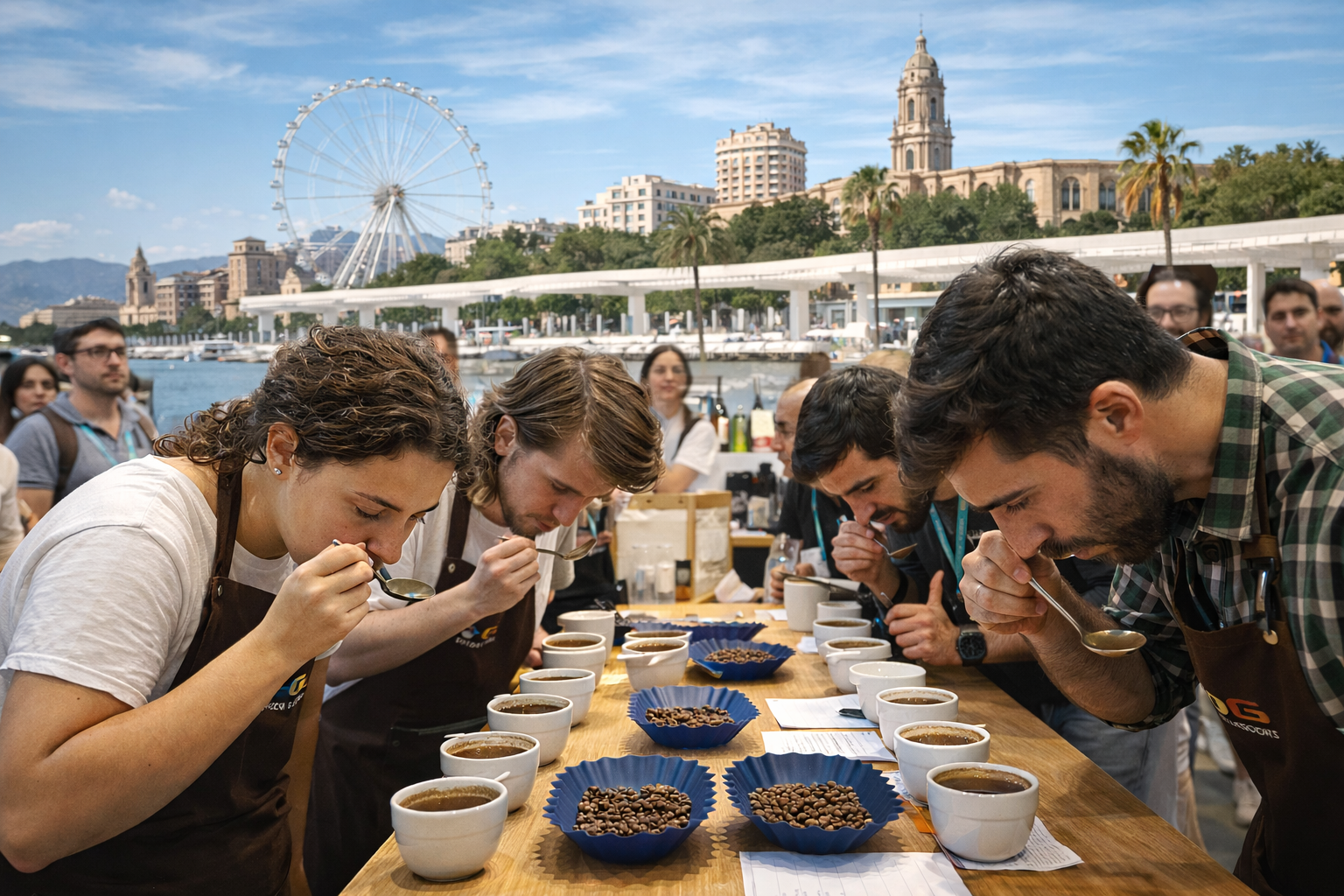
ROS Specialty Coffee participará en Coffee Expo Costa del Sol 2026, uno de los eventos de café de especialidad más destacados en Málaga. Descubre nuestra cata exclusiva de cafés de origen Nicaragua...