
Where Every Cup Begins
Young seedlings grow under shade and careful supervision. Each plant is nurtured to stay strong and healthy. This is where every future cup starts.


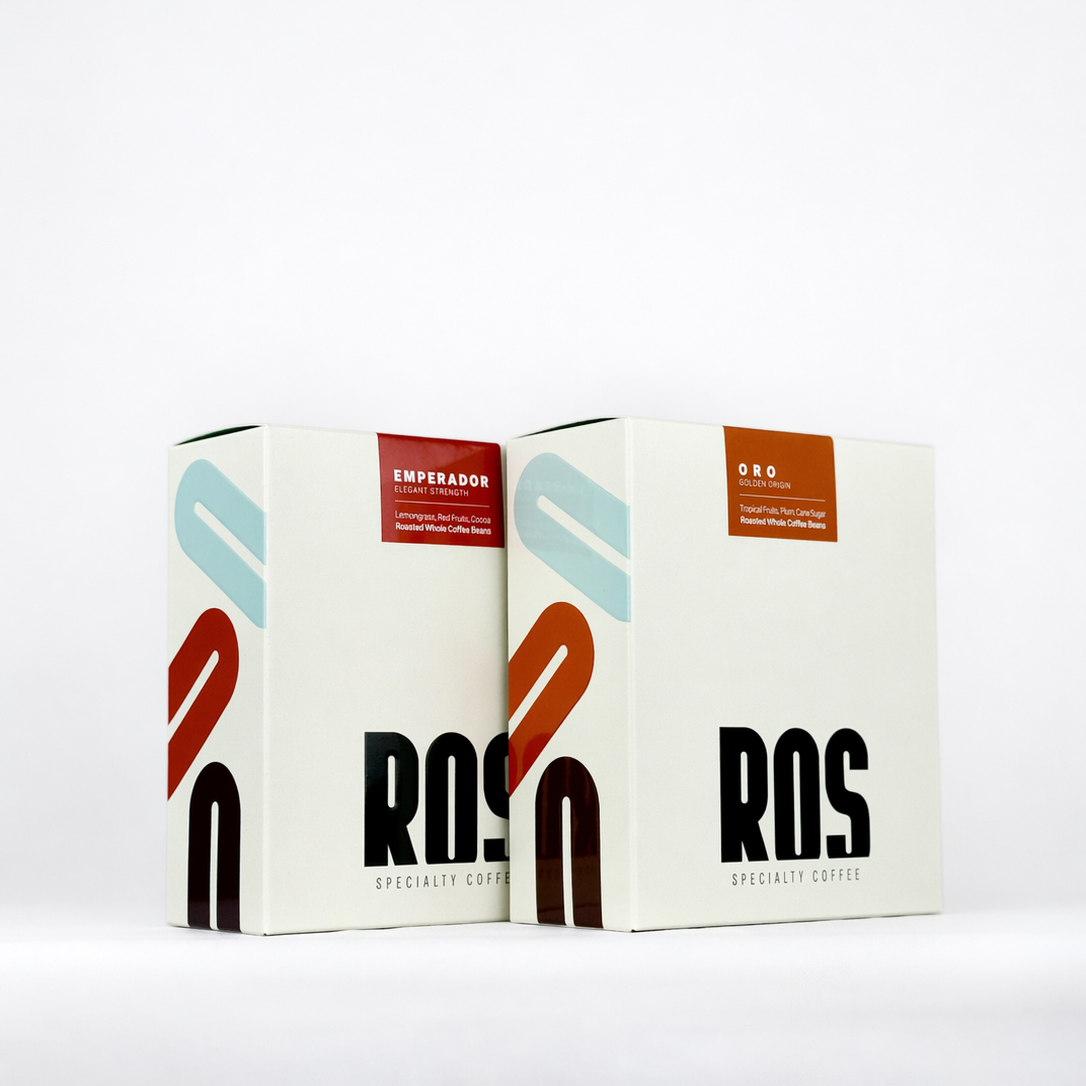
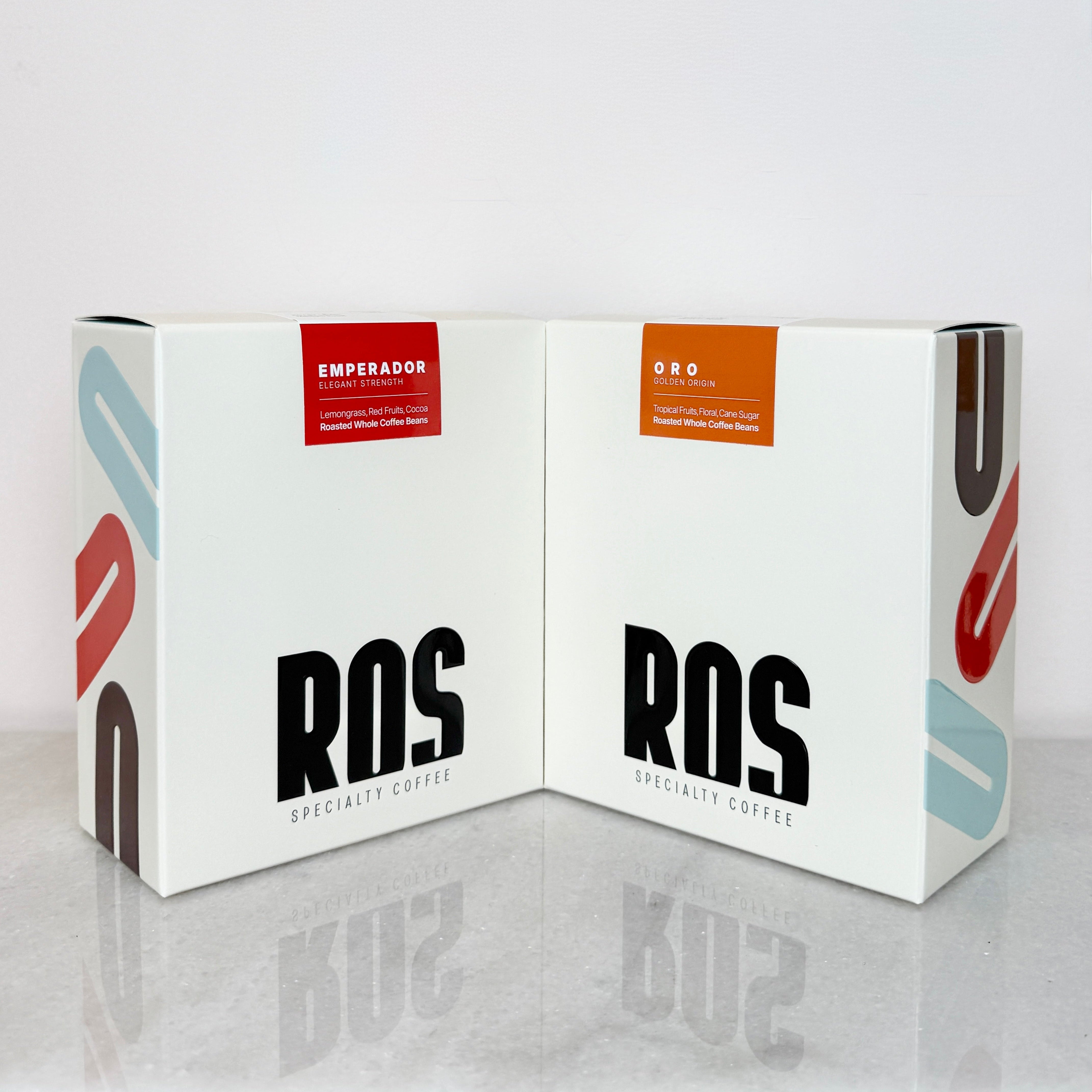
Same variety, same farm, two different processes. Discover what Maracaturra washed vs. natural does to the cup.
Tax included. Shipping calculated at checkout
Both coffees are Maracaturra from our family farm in Dipilto, Nicaragua. Emperador is washed — clean and structured. Oro is natural — fruity and complex. Brew them side by side and taste how processing changes everything.
Includes:
Our roast philosophy is simple and consistent: one optimal roast for every coffee.
As a result, our coffee work beautifully across all brew methods — whether immersion, percolation, or espresso — offering structure, sweetness, and a precise expression of the origin.
We recommend resting the coffee for 5–10 days after the roast date to let the harsher notes fade and the sweetness, clarity, and true character of the cup fully develop.
ROS Duo Origen (save 4,50€)
Nicaragua sits at the centre of Central America and has become known for producing clean, high-altitude arabica coffees. Volcanic soils, mineral-rich land, and a mix of tropical and mountain microclimates create ideal conditions for sweet, balanced cups with bright acidity.
Across the country’s 130,000 km², coffee plays a major economic role, with around 140,000 hectares under cultivation and more than 500,000 people depending on the sector. Over 90% of Nicaragua’s production is arabica, grown mainly in the cooler northern regions.
With extraordinary biodiversity — forests, volcanoes, lakes, and wildlife — the country shapes coffees with distinct character and depth.
Nueva Segovia is Nicaragua’s most prestigious coffee region. Home to 12 coffee districts, 267,000 inhabitants, and over 5,000 farming families, the area cultivates roughly 21,800 hectares of arabica at high elevations.
Its cool climate, mountain winds, and fertile volcanic soil have made it famous for micro-lots with great sweetness, clarity, and complexity. Varieties such as Caturra, Catuaí, Catimore, and newer genetics like Maracaturra, Java, and Geisha thrive here.
The region contributes 14% of Nicaragua’s national production and consistently produces some of the country’s most awarded coffees.
Coffee process from Seed to Sip
Young seedlings grow under shade and careful supervision. Each plant is nurtured to stay strong and healthy. This is where every future cup starts.

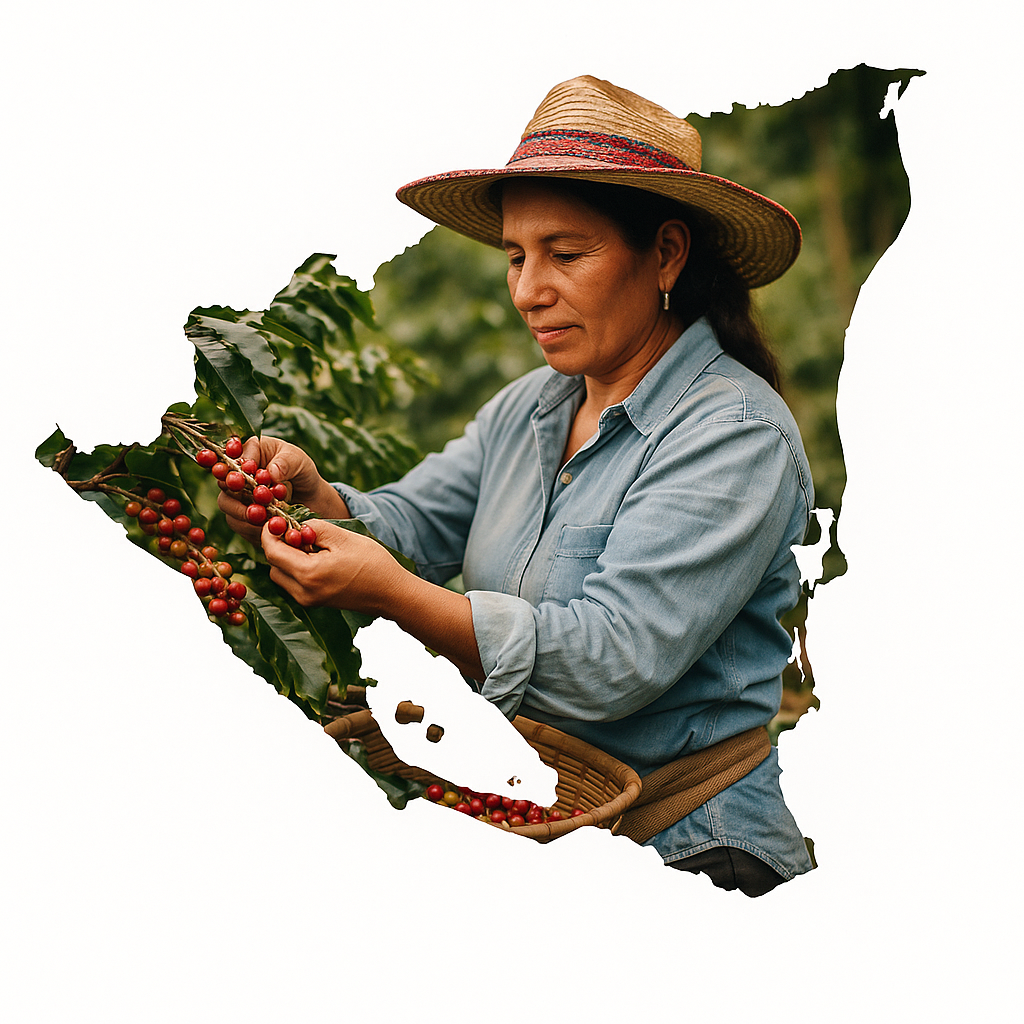
Our pickers select cherries one by one. Only perfectly ripe ones make it through. This careful harvest ensures quality in every lot.

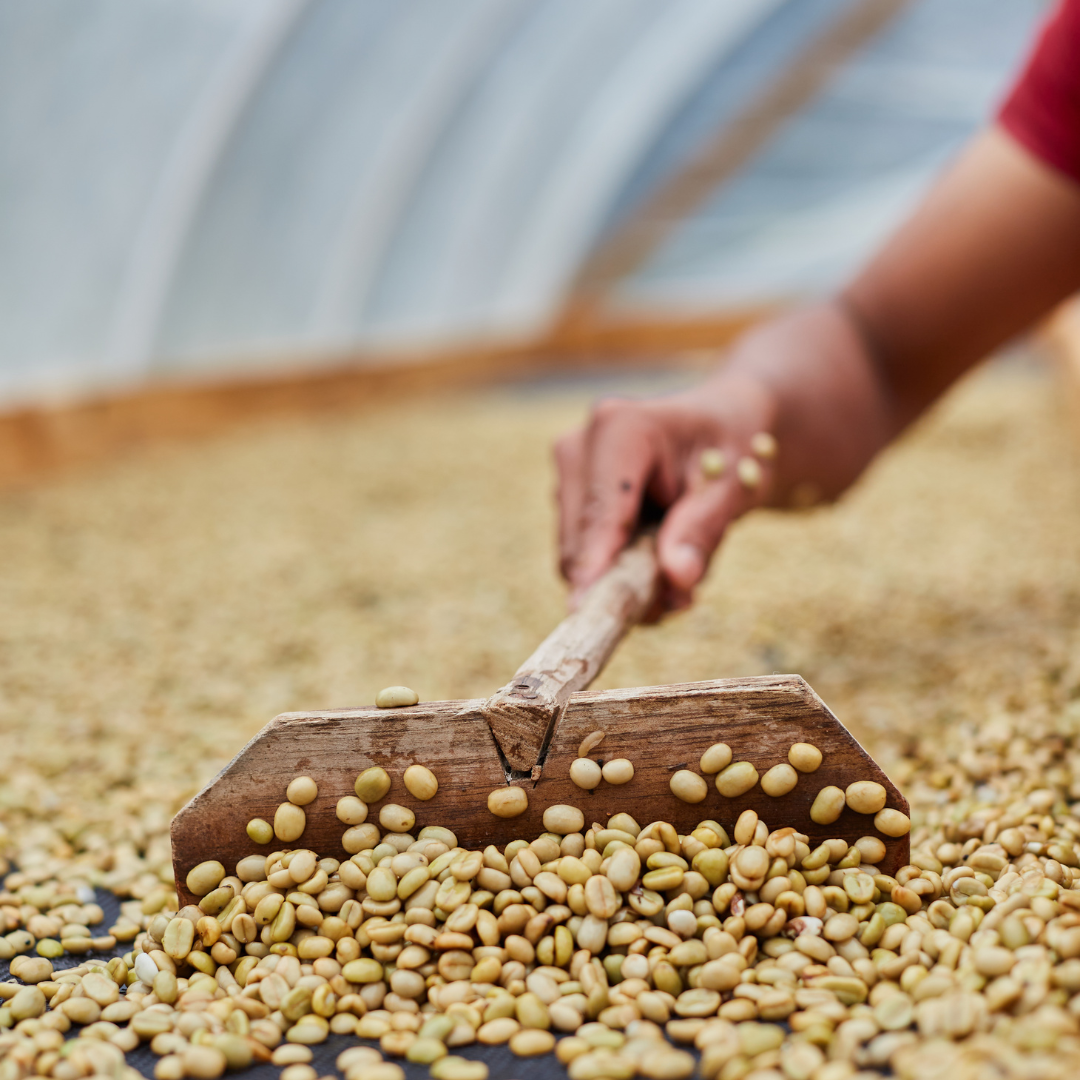
Cherries are pulped, washed, or dried with precision. Each method shapes clarity, sweetness, and texture. This step defines the coffee’s character.

Roasting balances heat, timing, and intuition. Every bean reveals bright, sweet, or deep notes. This moment unlocks the coffee’s full expression.

Brewing highlights different sides of the coffee. Water, temperature, and technique work together. This is where precision meets creativity.

The final moment: aroma rising, flavors unfolding. A cup shared with friends, customers, or simply yourself — this is the journey completed.
Be part of the Journey